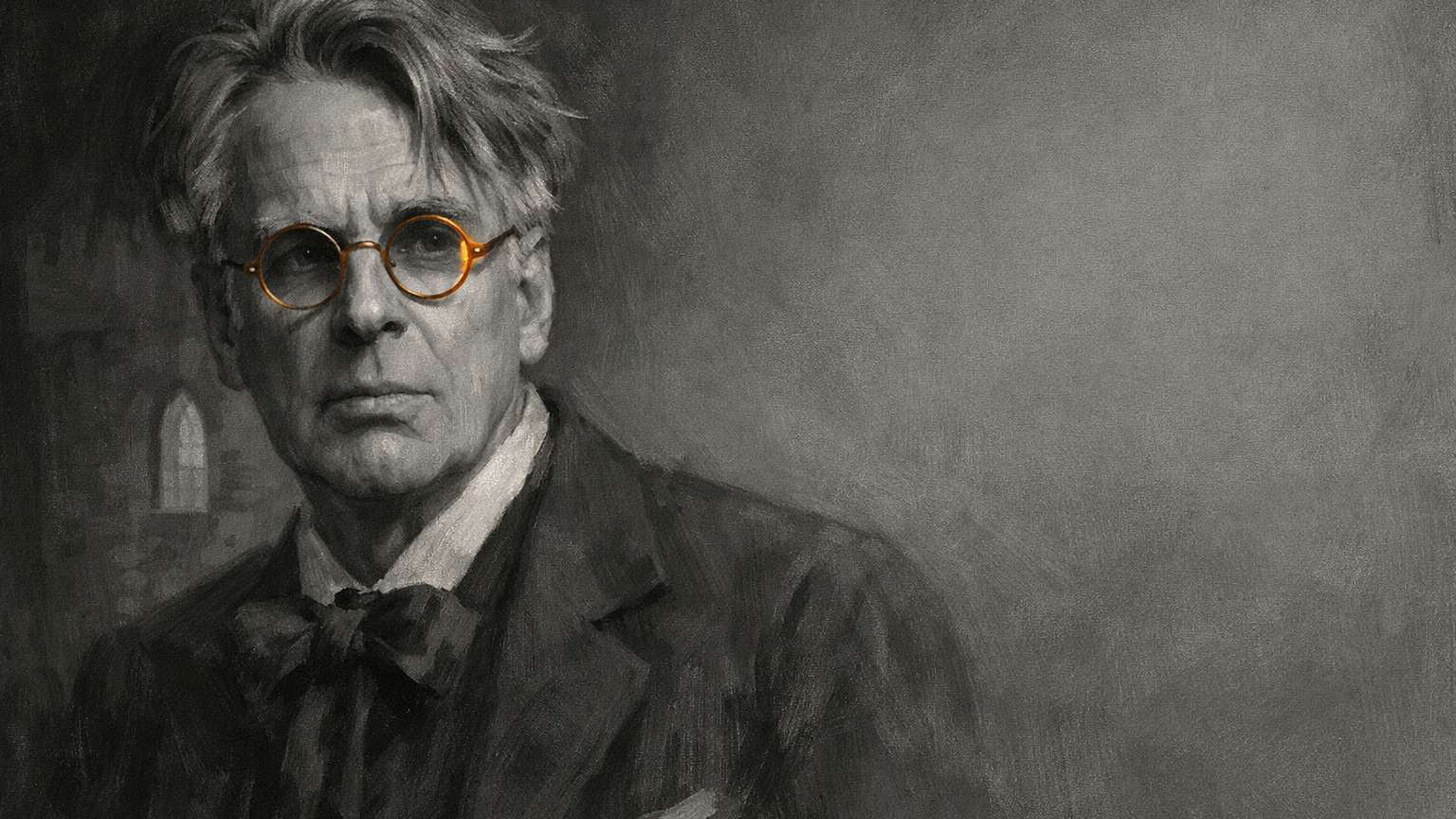
The June 2025 UGC NET English paper gave candidates four sets of poem titles and asked which set was written entirely by W.B. Yeats.
Three of the four options mixed in a poem by someone else — Matthew Arnold’s “Sohrab and Rustum,” Rossetti’s “The House of Life,” a stray reference dressed up to look like Yeats.
Only one option, pairing “No Second Troy,” “Lapis Lazuli,” “Easter 1916,” and “When You Are Old,” was made up entirely of genuine Yeats poems.
That’s the trap NTA runs on Yeats more than on almost any other poet in the UGC NET English Literature syllabus: not testing whether you can analyze a poem, but whether you actually know which poems belong to him and which sound like they might.
Yeats sits in the Modern British and Irish Poetry section, and he is one of the highest-yield names in that unit — expect at least one direct question most cycles, often two.
He wrote across five decades, changed his style completely at least twice, and left behind a body of work large enough that students who only know “The Second Coming” and “Sailing to Byzantium” get caught out regularly.
This guide covers the full range: the early Celtic material, the middle political poems, the late visionary phase, and the exact places where NTA likes to set traps.
Why Yeats is important for UGC NET
Yeats appears under Modern Poetry, but he also crosses into Irish Literature, Literary Movements (the Irish Literary Revival), and occasionally Drama, since he co-founded the Abbey Theatre and wrote for it.
That spread across categories is exactly why he shows up so often — a question setter building a paper around movements can pull Yeats in from three different angles.
The 2025 UGC NET English detailed breakdown is worth reading if you want to see how heavily Modern Poetry is weighted relative to the rest of the paper; it consistently pulls more marks than most students expect going in.
He won the Nobel Prize in Literature in 1923, the first Irish writer to receive it, cited for “inspired poetry, which in a highly artistic form gives expression to the spirit of a whole nation.”
That citation line has been quoted directly in at least one past paper as a fill-in-the-blank, so it’s worth memorizing rather than paraphrasing.
Beyond the Nobel, Yeats matters because he’s the bridge NTA uses between Victorian poetry and full Modernism — he started writing in a dreamy, Pre-Raphaelite-influenced style in the 1880s and ended up writing some of the hardest, most compressed verse of the twentieth century.
Questions on periodization (“Which poet best represents the transition from late Romanticism to Modernism in English poetry?”) point to Yeats more often than to anyone else.
Major works you must know (with dates)
NTA tests Yeats’ chronology aggressively, partly because his career divides so cleanly into phases. Learn the phase a poem belongs to, not just its title.
Early phase — Celtic Twilight (1889–1899):
- The Wanderings of Oisin (1889) — his first major collection, drawing on Irish legend
- The Countess Cathleen (1892) — verse drama, part of the early Abbey repertoire
- The Celtic Twilight (1893) — prose collection of Irish folklore
- The Wind Among the Reeds (1899) — dreamy, symbol-heavy lyric poetry
Middle phase — political and personal (1902–1919):
- Cathleen ni Houlihan (1902) — nationalist play, co-written with Lady Gregory, staged at the Abbey
- The King’s Threshold (1904) — verse drama on the poet’s place in society
- Responsibilities (1914) — harder, more direct style, marking a break from Celtic dreaminess
- Easter, 1916 (written 1916, published 1921) — response to the Easter Rising, contains the refrain “A terrible beauty is born”
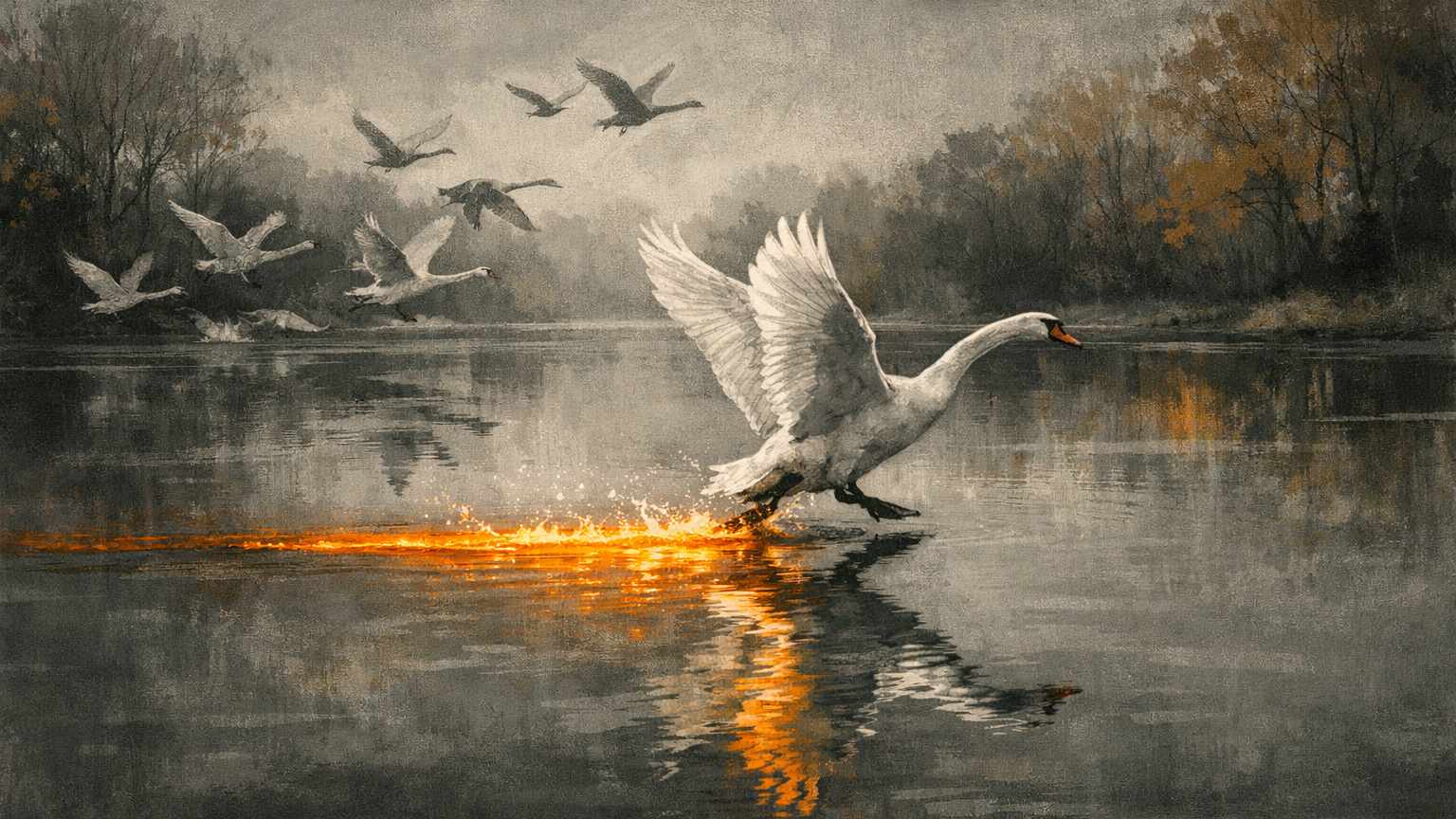
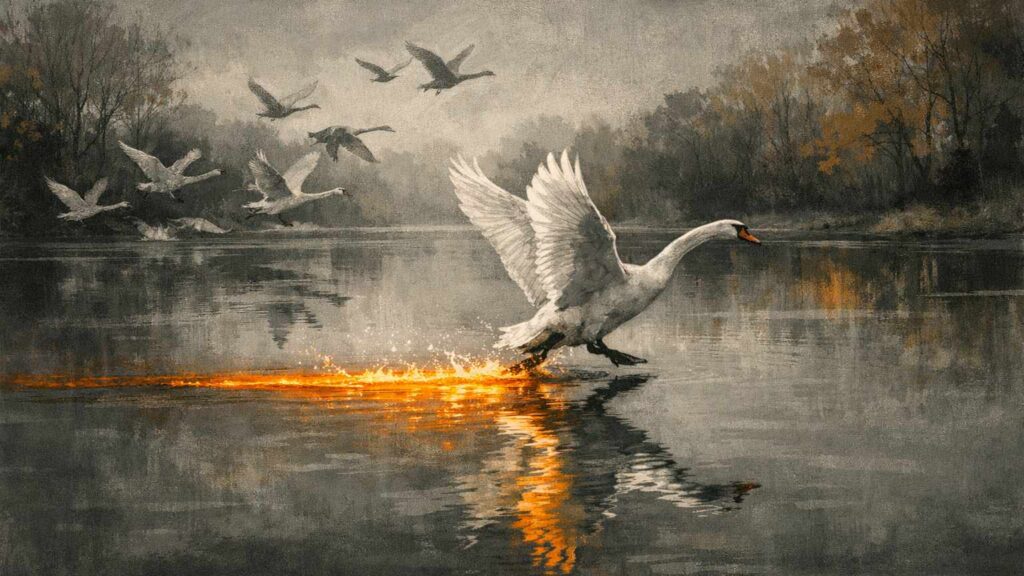
- The Wild Swans at Coole (1917/1919) — elegiac collection, title poem uses swans as a symbol of permanence against the poet’s aging
Late phase — visionary and Byzantine poetry (1921–1939):
- Michael Robartes and the Dancer (1921) — includes “The Second Coming”
- A Vision (1925, revised 1937) — prose work laying out his philosophical system of gyres and historical cycles, not poetry but essential background for reading the late poems
- The Tower (1928) — includes “Sailing to Byzantium,” “Among School Children,” and “Leda and the Swan”
- The Winding Stair and Other Poems (1933) — includes “Byzantium,” a companion piece to “Sailing to Byzantium”
- Last Poems and Two Plays (1939, posthumous) — includes “Under Ben Bulben,” containing his own epitaph

That epitaph — “Cast a cold eye / On life, on death. / Horseman, pass by!” — is inscribed on Yeats’ actual gravestone in Drumcliff, and NTA has asked students to identify both the poem and the fact that it’s his epitaph in the same question. Know it as a package: poem title, collection, and biographical detail together.
Key themes and concepts tested in UGC NET
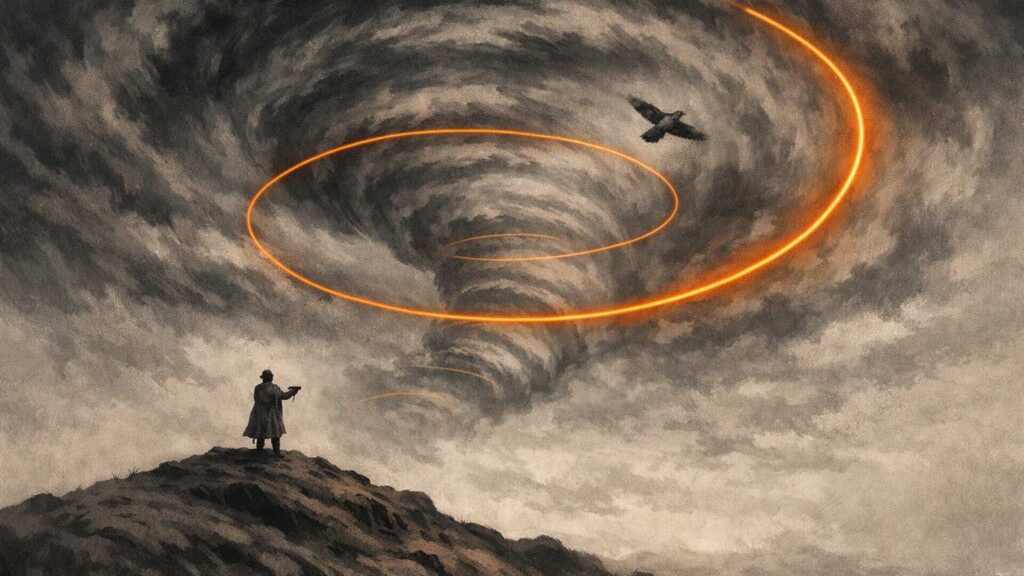
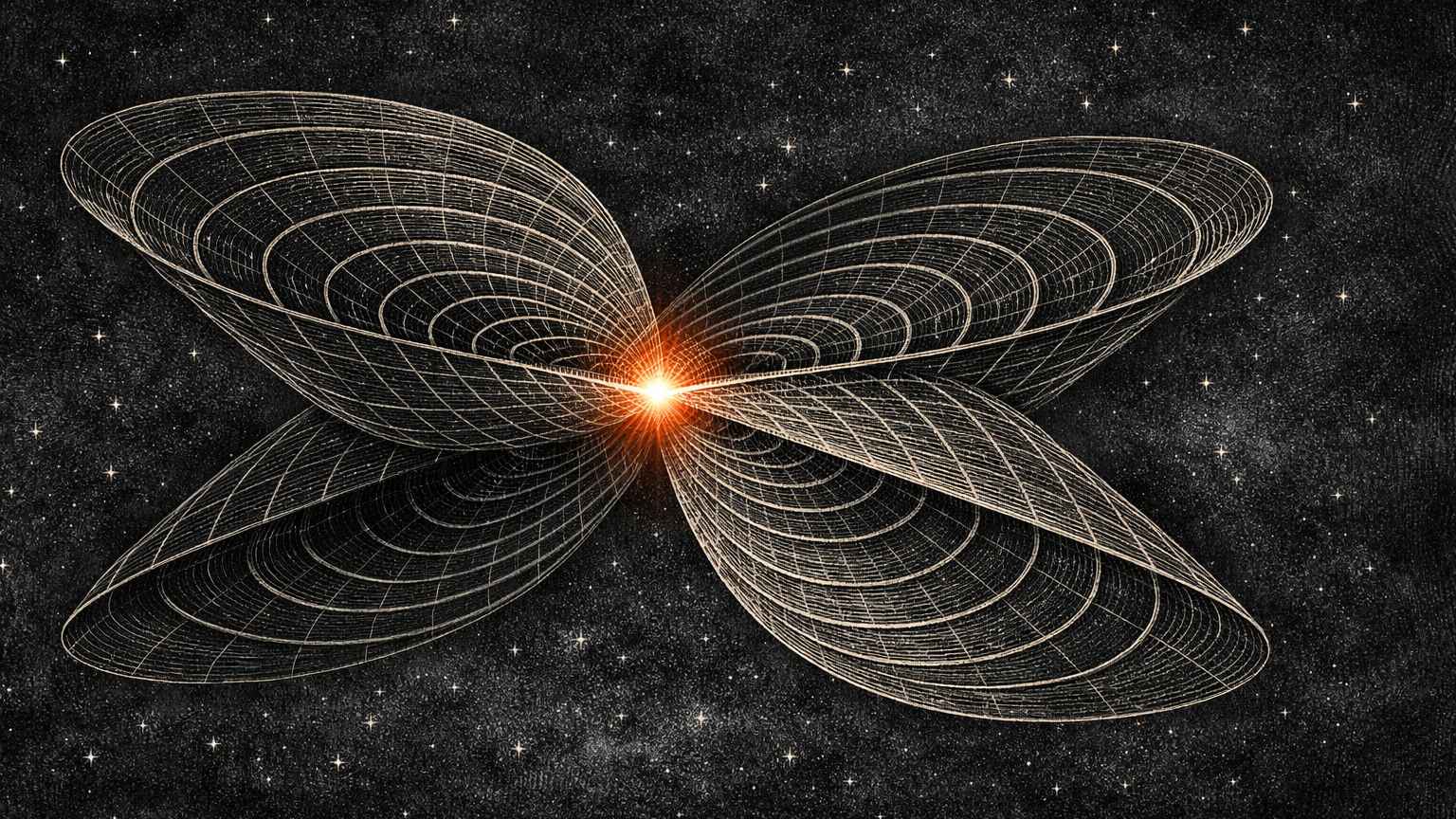
The gyre. Yeats’ central symbol for historical change: two interlocking cones spiraling in opposite directions, one widening as the other narrows.
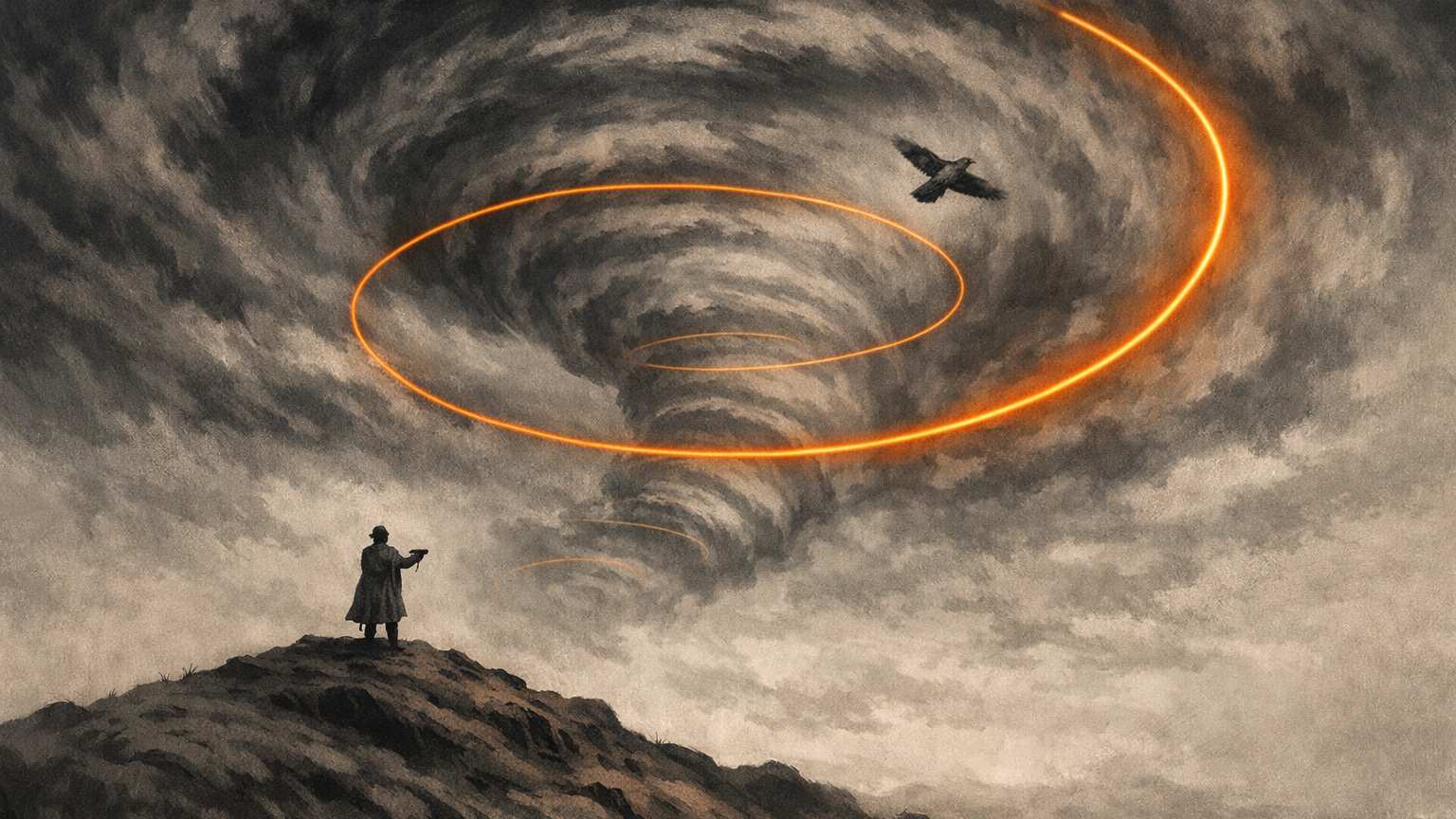
He used it to argue that civilizations rise and collapse in two-thousand-year cycles, and “The Second Coming” opens with the image directly — “Turning and turning in the widening gyre / The falcon cannot hear the falconer.” Questions frequently ask what the widening gyre represents (the breakdown of the old Christian order) rather than just asking you to spot the word.
A Vision and the system. Yeats built an entire private mythology of moon phases, historical cycles, and personality types, developed partly through his wife George’s automatic writing sessions.
You don’t need to master the whole system for UGC NET, but you should know that “A Vision” is prose, not poetry, published in 1925, and that it directly informs “The Second Coming,” “Sailing to Byzantium,” and “The Gyres.”
Examiners like to test whether students know A Vision is a prose work — a surprising number of students misidentify it as a poem.
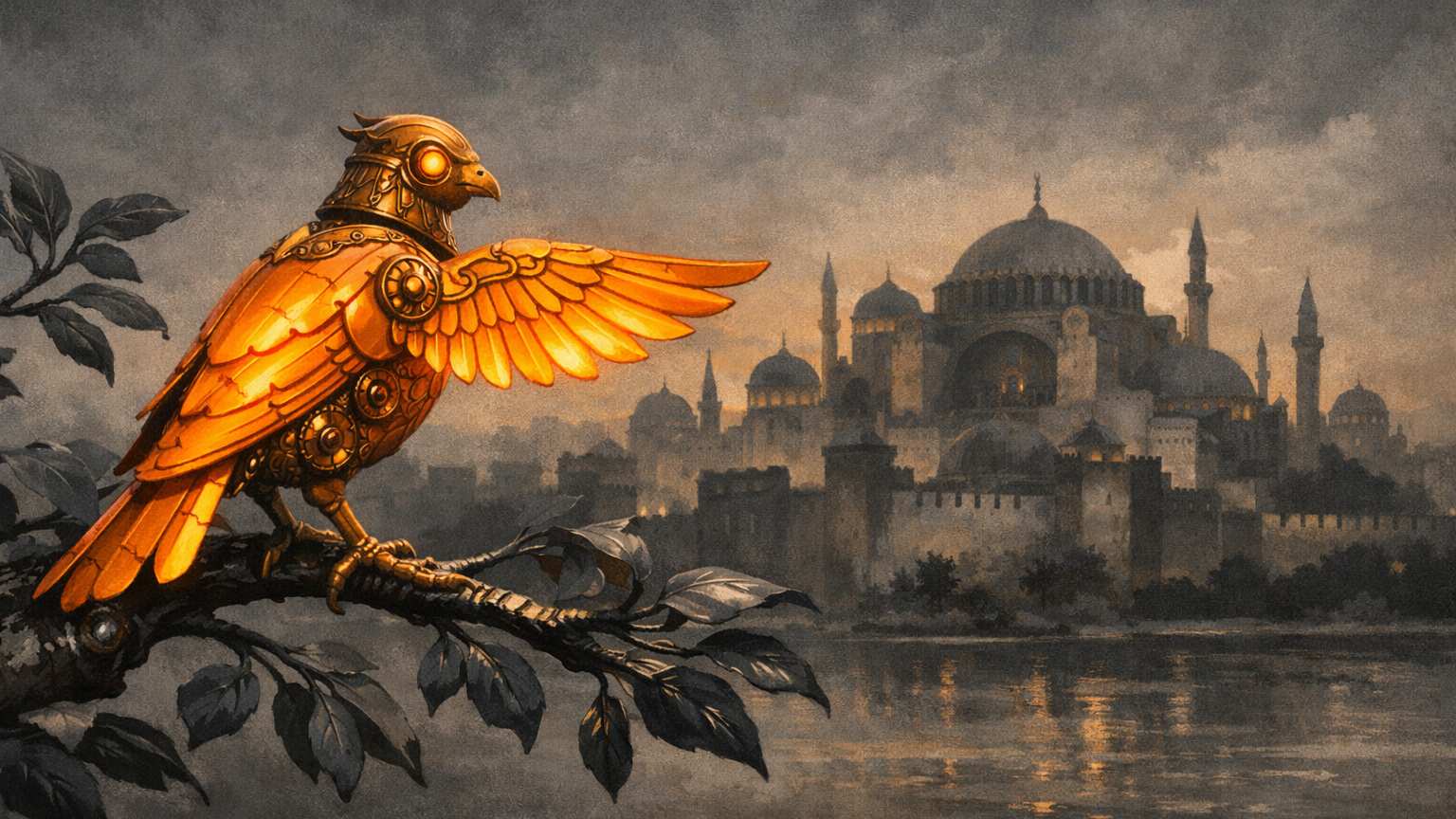
Byzantium as symbol. In both “Sailing to Byzantium” and “Byzantium,” the city stands for permanent, timeless art as opposed to the decay of the physical body — the golden mechanical bird that sings “of what is past, or passing, or to come” is Yeats’ image for art that outlives its maker.
This pairs naturally with Keats’ urn in “Ode on a Grecian Urn,” and NTA has set comparison questions between the two poets on exactly this theme.
If you’ve studied John Keats for UGC NET English Literature, the parallel is worth drawing out in your notes.
Irish nationalism and the Easter Rising. “Easter, 1916” is Yeats working through his ambivalence about the Rising and the rebels he knew personally, several of whom he names in the poem — Pearse, MacDonagh, and Connolly among them.
The refrain “A terrible beauty is born” gets tested as a standalone quote-identification question almost every cycle.
Maud Gonne. Several of Yeats’ most anthologized poems — “No Second Troy,” “When You Are Old,” “The Second Coming” indirectly — are shaped by his decades-long, unrequited devotion to the Irish revolutionary Maud Gonne.
“No Second Troy” compares her to Helen of Troy, asking rhetorically what else she could have done given her nature. Questions on Yeats’ biography and his poems often intersect here.

Deep dive: poem-by-poem breakdown
“The Second Coming” (1919/1921). The most tested Yeats poem on the paper, full stop.
Written in the aftermath of the First World War and the early stages of the Irish War of Independence, it imagines a monstrous “rough beast” slouching toward Bethlehem to be born, replacing the Christian era with something unknown.
Know the gyre opening, the line “Things fall apart; the centre cannot hold,” and the closing image. This poem alone has generated multiple past questions on missing-word completion.
“Sailing to Byzantium” (1928). An old man rejects a country of “the young / In one another’s arms” — mortal, physical Ireland — in favor of the eternal, artificial city of Byzantium, where he wishes to be transformed into a golden bird.
Tested for its structure (four stanzas moving from rejection to voyage to transformation) and its central metaphor of art versus mortality.
“Leda and the Swan” (1923/1928). A sonnet retelling the Greek myth of Zeus, disguised as a swan, and Leda — an act that, in myth, leads to the birth of Helen of Troy and eventually the Trojan War.
Yeats uses it as another gyre image: a moment of violent historical rupture. NTA sometimes tests this alongside classical mythology questions, so know both the myth and Yeats’ handling of it.
“Among School Children” (1928). Written after Yeats, then a senator of the Irish Free State, visited a convent school. The poem moves from watching the children to meditating on aging, the gap between the ideal and the actual, and ends with the famous question “How can we know the dancer from the dance?” — frequently quoted in isolation.
“Easter, 1916.” Covered above under themes — know the refrain and the historical trigger.
Solving actual past papers is the fastest way to see how these poems get tested in combination — check the subject-wise previous year questions collection and the dedicated W.B. Yeats previous year UGC-NET English questions page for exact question patterns from past cycles.
Common exam traps and how to avoid them
Trap 1: Mixing up “Sailing to Byzantium” and “Byzantium.” Two separate poems, five years apart, both about the same city and the same theme.
“Sailing to Byzantium” (1928) is the journey and transformation; “Byzantium” (1930, published 1933) is set in the city itself and is denser, harder to parse. Questions have asked students to distinguish which poem contains which specific image.
Trap 2: Assigning a poem by another poet to Yeats. As the June 2025 question showed, NTA deliberately plants poems by Arnold, Rossetti, or Tennyson in option sets to see if students actually know the Yeats canon or are pattern-matching on “sounds old and poetic.” Read full poem lists, not just the famous four or five.
Trap 3: Confusing A Vision with a poetry collection. It’s prose. Published 1925, revised 1937. Don’t file it next to The Tower as another book of verse.
Trap 4: Missing the Abbey Theatre connection. Students studying Yeats purely as a poet often blank on questions linking him to Irish drama.
He co-founded the Abbey Theatre with Lady Gregory and Edward Martyn in 1904 and wrote several verse plays for it, including Cathleen ni Houlihan and The King’s Threshold.
Trap 5: Getting the Nobel Prize year wrong. It’s 1923. Students frequently confuse it with Eliot’s 1948 Nobel or Shaw’s 1925 Nobel when the question lists several Irish or British writers together.
How to study Yeats in 5 days (exam strategy)
Day 1: Read “The Second Coming” and “Sailing to Byzantium” closely, line by line. Memorize the gyre imagery and the “rough beast” ending. These two poems alone cover a large share of past questions.
Day 2: Build the three-phase timeline — Celtic Twilight, political middle period, late visionary phase — with two or three works and their dates in each phase. Don’t try to memorize everything; focus on getting the phase and rough date right.
Day 3: Study “Easter, 1916,” “No Second Troy,” and the Maud Gonne connection. Learn the refrain “A terrible beauty is born” cold.
Day 4: Read “Among School Children” and “Leda and the Swan.” Note the shared theme of violent historical change and the “how can we know the dancer from the dance” line.
Day 5: Practice with previous year questions specifically on Yeats. The W.B. Yeats previous year UGC-NET English questions page groups these together so you’re not hunting through general papers.
Previous year question patterns
NTA’s Yeats questions fall into four recurring formats.
First, “identify the correct set of poems” questions, like the June 2025 example, where three of four sets mix in a decoy poem by another author.
Second, missing-word or missing-line completion from famous passages, almost always drawn from “The Second Coming” or “Sailing to Byzantium.”
Third, chronological ordering — arrange four or five Yeats poems by publication date, which tests whether you know his career phases rather than just his titles.
Fourth, biographical and factual questions: Nobel Prize year, Abbey Theatre founding, his epitaph, and his connection to Maud Gonne and the Irish nationalist movement.
For a broader sense of how questions on British and Irish poetry get framed across cycles, the British poetry previous year questions collection and the full previous year question papers archive are both worth working through.
For deeper background on Yeats’ life and the Nobel citation, the Nobel Prize’s own biographical page is a reliable outside source.
Preparing for UGC NET English Literature? Our course covers W.B. Yeats and 100+ other high-weightage authors with video lectures, topic-wise MCQs, and 13 physical booklets delivered to your door. Learn more about the course here.